
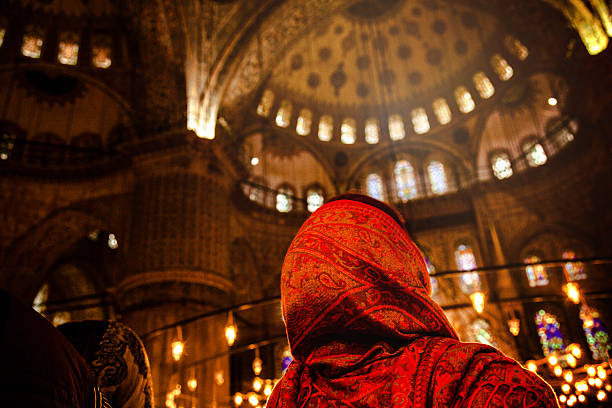
Modesty, or Haya, is one of the most beautiful qualities in Islam. It is often misunderstood as just clothing, but its scope is far broader encompassing speech, behavior, intentions, and heart.
Haya in the Qur’an and Sunnah
The Qur’an encourages modesty:
“Tell the believing men to lower their gaze and guard their private parts… and tell the believing women to lower their gaze and guard their private parts.” — Qur’an 24:30-31
The Prophet ﷺ said:
“Every religion has its character, and the character of Islam is modesty (Haya).” Ibn Majah
Thus, modesty is a core Islamic value, shaping personality, ethics, and interactions.
Dimensions of Haya
- Behavior: Speaking politely, respecting elders, and showing humility
- Appearance: Dressing appropriately according to Islamic guidelines
- Speech: Avoiding foul language, gossip, and unnecessary talk
- Intentions: Acting sincerely, avoiding arrogance or show-off
Haya protects personal dignity, fosters respect, and strengthens faith.
Benefits of Modesty
- Builds self-respect and confidence
- Creates trust and positive relationships
- Shields from harmful social influences
- Reflects spiritual consciousness
True modesty is inner and outer harmony, not just covering the body.
Final Reflection
Haya is the soul of Islam. It guides actions, preserves dignity, and cultivates piety. Every Muslim who practices modesty internally and externally is walking the path of righteousness and earning Allah’s pleasure.