
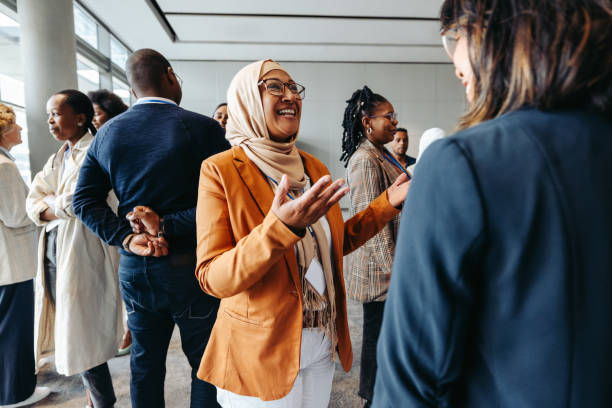
In recent years, modest fashion has emerged as one of the fastest-growing trends in the global fashion industry. But for Muslims, modesty isn’t just a style choice it’s a matter of faith. Islam emphasizes Haya (modesty) in dress, behavior, and attitude, and modern modest fashion allows Muslim women (and men) to express their identity while adhering to Islamic principles.
This fusion of faith, culture, and entrepreneurship is transforming the way the world views Islamic clothing.
Modesty in Islam: Beyond Clothing
Modesty in Islam is not just about covering the body; it’s a reflection of inner dignity and respect. The Qur’an instructs:
“O Prophet! Tell your wives and daughters, and the believing women, to draw their cloaks over their bodies…”
(Qur’an 33:59)
The emphasis is on protecting the heart, mind, and dignity while interacting with the world. Modest fashion translates these principles into practical, stylish, and socially acceptable clothing.
Evolution of Islamic Fashion
Historically, Muslim clothing varied regionally:
- Middle East: Abayas, jilbabs, and headscarves
- South Asia: Salwar kameez with hijab
- Southeast Asia: Long tunics and flowing dresses
In the 21st century, modest fashion has become a global business, blending traditional garments with contemporary styles. Designers now focus on cut, color, and fabric, creating clothing that is both fashionable and faith-compliant.
Global Market Growth
The modest fashion market is projected to reach $377 billion by 2025, driven by:
- Rising Muslim populations
- Growing demand for stylish yet modest attire
- Social media and influencer-driven trends
- Ethical and sustainable clothing movements
Brands like Haute Hijab, Aab, and Modanisa have made modest fashion mainstream, while luxury designers like Dolce & Gabbana and H&M have released Islamic-inspired collections.
The market is no longer limited to Muslims modest fashion appeals to anyone seeking elegance, comfort, and coverage.
Empowerment Through Fashion
Modest fashion is also a form of empowerment for Muslim women:
- Allows professional women to maintain religious principles in workplaces
- Encourages self-confidence without compromising faith
- Creates opportunities for entrepreneurship, from design to retail
- Promotes cultural awareness and pride
Social media platforms like Instagram and TikTok have helped modest fashion influencers reach millions, creating a global community of empowered Muslim women.
Designing with Faith in Mind
Designers of Islamic fashion consider:
- Coverage ensuring garments are suitable for prayer and public spaces
- Comfort breathable fabrics for daily wear
- Style combining modern trends with traditional values
- Sustainability ethical production aligns with Islamic principles of stewardship
This careful design approach ensures that modest fashion is functional, respectful, and aesthetically appealing.
Fashion Meets Faith: Challenges and Opportunities
Despite its growth, modest fashion faces challenges:
- Cultural misunderstandings some see it as restrictive rather than empowering
- Mass production issues maintaining modesty standards while scaling globally
- Pricing high-quality modest clothing can be expensive for some communities
However, these challenges also open opportunities:
- Small businesses and local designers can fill niche markets
- Social media can educate non-Muslims about the value of modesty
- Collaborative collections can merge global fashion trends with Islamic ethics
Future of Modest Fashion
Modest fashion is no longer a niche market it is a cultural movement. As Muslim youth and professionals continue to embrace stylish, faith-conscious clothing, the industry will expand further.
Beyond economics, it promotes:
- Faith-conscious consumerism
- Cultural pride
- Inclusivity in global fashion
For Muslim women, modest fashion is not just about what they wear it’s a statement of identity, dignity, and empowerment.
Conclusion
Islamic modest fashion is a perfect example of faith meeting creativity and commerce. It allows Muslims to maintain their religious principles while participating in global trends, empowering women, preserving cultural identity, and promoting ethical business practices.
May modest fashion continue to grow as a platform for faith, empowerment, and global cultural exchange showing that one can be stylish, confident, and devout all at once.