
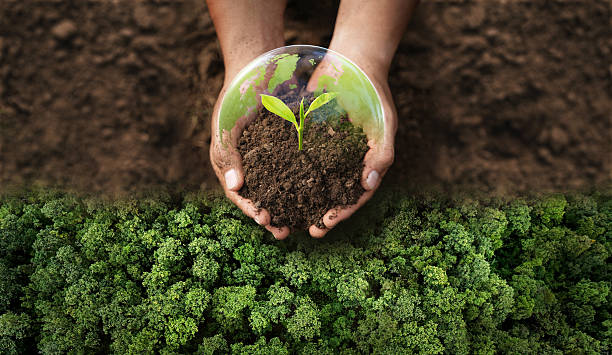
When people think about Islam, they often focus on worship, charity, and social conduct. What many forget is that Islam also provides a complete framework for how we treat the natural world. The environment is not just a backdrop to our lives it is a trust (amanah) from Allah, and our role as humans is to protect and preserve it.
The Earth as a Blessing and Trust
Allah created the Earth with balance, harmony, and beauty. Every mountain, river, tree, and living creature is a sign (ayah) that points toward His greatness. The Qur’an reminds us repeatedly:
“And do not cause corruption on the Earth after it has been set in order.”
(Quran 7:56)
This verse alone establishes a clear rule: damaging the environment is a form of corruption something forbidden in Islam.
Humans as Khalifah (Caretakers)
In Islam, human beings are appointed as khalifah caretakers of the Earth:
“Indeed, I will place upon the earth a successive authority (khalifah).”
(Quran 2:30)
This role is not about domination; it’s about stewardship. We are not owners of the planet we are guardians who must protect it for future generations. We are accountable for the damage we do, whether through waste, pollution, or exploitation.
Prophet Muhammad (PBUH): The First Environmentalist
The Prophet Muhammad ﷺ demonstrated deep respect for nature through his actions and teachings:
He forbade wasting water even while performing wudu from a flowing river.
He commanded humane treatment of animals and condemned cruelty.
He instructed the planting of trees and cultivating land as an act of charity.
He said:
“If a Muslim plants a tree or sows seeds, and then a bird, or a person, or an animal eats from it, it is regarded as a charity (sadaqah) for him.” Sahih Bukhari
This hadith shows that preserving and growing nature is rewarded even if others benefit from it.
Water Conservation: A Religious Duty
Water is described in the Qur’an as the source of life:
“And We made from water every living thing.”
(Quran 21:30)
Yet today, water scarcity affects millions. Islam teaches mindful use and forbids waste:
The Prophet ﷺ saw a man using excess water in ablution and said,
“Do not be wasteful, even if you are on the bank of a flowing river.”
This sets a powerful example for reducing consumption in our daily lives.
Protection of Wildlife and Biodiversity
Islam discourages unnecessary harm to living creatures. Hunting for sport or destroying habitats without need is strictly prohibited.
The Prophet ﷺ told his companions about a woman punished for starving a cat and another forgiven for giving water to a thirsty dog. These examples show the spiritual importance of mercy toward animals.
Green Initiatives in Islamic History
Muslim civilizations have a legacy of environmental preservation:
✔ Establishing Hima protected zones where trees and wildlife were safeguarded
✔ Advanced irrigation systems ensuring responsible water usage
✔ Architecture designed for natural cooling and low resource consumption
✔ Herbal medicine research promoting natural healing
Environmental ethics are deeply rooted in Islamic tradition not a modern invention.
Climate Change: A Modern Test of Responsibility
Today the planet is suffering:
- Polluted oceans
- Deforestation
- Rising temperatures
- Species extinction
While global policies are essential, Islam teaches that change begins with individuals. Even small steps are spiritually meaningful:
Reduce waste
Recycle responsibly
Save water and electricity
Plant trees and protect greenery
Avoid overconsumption and fast fashion
Support eco-friendly businesses
Every action counts because Allah notices the smallest effort done for good.
Sustainability = Faith in Practice
The environment is not separate from our religion it is part of our faith. Islam calls us to live in balance, show gratitude through care, and leave a legacy of goodness.
Imagine a world where every Muslim planted a few trees a year, saved water consciously, and refused to pollute. Billions of people making mindful choices could transform the planet.
Conclusion
Islam reminds us that the Earth is a blessing and a test. Whether we protect it or destroy it reflects our character and obedience to Allah. One day, we will answer for how we treated this home He gave us.
So the next time you turn off an extra light, plant a sapling, or save water you are not just helping the environment.
You are fulfilling a command of your Creator. May Allah make us true guardians of His Earth. Ameen.