
Ramadan is the holiest month in Islam, a time when Muslims around the world reconnect with their faith, discipline their desires, and transform their daily lives. It is not only a month of fasting from food and drink but a comprehensive spiritual training that reshapes habits, character, and mindset.
During Ramadan, Muslims fast from dawn (Suhoor) until sunset (Iftar), abstaining from food, drink, and sinful behavior. This practice develops self-control, patience, and gratitude—qualities that extend far beyond the month itself.
The Purpose of Fasting in Ramadan
The Quran clearly states that fasting is prescribed to develop taqwa (God-consciousness). By willingly giving up lawful needs during the day, Muslims become more aware of Allah in every action. Hunger reminds believers of the less fortunate, increasing empathy and generosity in daily life.
Fasting also teaches discipline. Daily routines are adjusted around prayer, Quran recitation, and worship, creating a structured lifestyle that strengthens both faith and productivity.
Daily Routine During Ramadan
Ramadan transforms daily schedules in a meaningful way. The day begins with Suhoor, a pre-dawn meal that carries blessings. Waking up early encourages mindfulness and sets a positive tone for the day.
Throughout the day, Muslims remain conscious of their behavior, controlling anger, speech, and negative habits. The Prophet Muhammad ﷺ emphasized that fasting is not only about avoiding food, but also avoiding immoral actions.
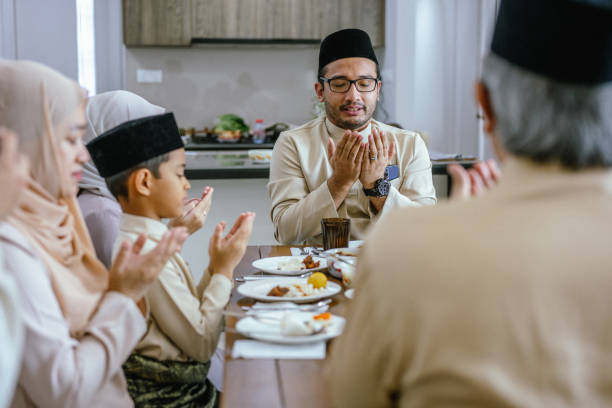
At sunset, Iftar brings families together. Breaking the fast with dates and water, following the Sunnah, strengthens family bonds and gratitude. These moments promote unity and reflection in daily life.
Ramadan and Spiritual Growth
Ramadan is known as the month of the Quran. Muslims increase Quran recitation, reflection, and learning. Daily prayers are complemented with Taraweeh, voluntary night prayers that bring deep spiritual peace.
Regular dua (supplication) during Ramadan builds a strong personal connection with Allah. The belief that Ramadan is a time when prayers are accepted motivates Muslims to seek forgiveness, guidance, and personal growth.
Impact of Ramadan on Character
Ramadan trains Muslims to control desires and emotions. Patience, humility, and kindness become daily practices. Acts of charity increase, as giving Zakat and Sadaqah is highly encouraged during this month.
This focus on good character improves relationships at home, work, and within society. Ramadan teaches Muslims to be better individuals even after the month ends.
Health and Lifestyle Benefits
Beyond spiritual benefits, Ramadan encourages healthier eating habits, mindful consumption, and self-discipline. Avoiding overeating and focusing on moderation aligns perfectly with Islamic teachings on balance.
Conclusion
Ramadan is a complete lifestyle reset. It refines daily habits, strengthens faith, and builds strong moral character. By fasting, praying, and practicing self-discipline, Muslims experience spiritual renewal that continues long after Ramadan ends. It is not just a month of worship, but a powerful transformation of daily life through faith and devotion.