
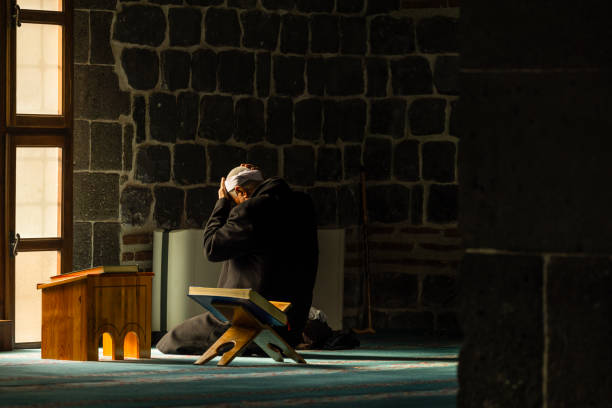
Islam is not limited to prayers inside a mosque; it is a complete way of life that guides Muslims in every aspect of their daily routine. From the moment a believer wakes up until they go to sleep, Islam provides practical guidance that brings discipline, balance, and spiritual peace.
A Muslim’s day begins with Fajr prayer, reminding them that success starts with the remembrance of Allah. Waking up early encourages productivity, mental clarity, and gratitude. Even modern research supports early rising as a habit of successful individuals, showing how Islamic teachings align with practical life benefits.
Islamic Values in Daily Activities
Islam emphasizes intentions (niyyah). Simple actions like working, studying, or providing for family become acts of worship when done with sincerity. This concept transforms daily life from routine tasks into spiritually rewarding actions.
Honesty, fairness, and kindness are core Islamic values applied in workplaces, businesses, and social interactions. The Prophet Muhammad ﷺ said, “The truthful and trustworthy merchant will be with the prophets, the truthful, and the martyrs.” This hadith highlights how ethical behavior in daily work is highly rewarded in Islam.
Time Management Through Salah
The five daily prayers structure a Muslim’s day, creating natural breaks for reflection and discipline. Instead of feeling overwhelmed by busy schedules, prayer brings calm and refocuses the mind. This rhythm helps Muslims maintain a healthy balance between worldly responsibilities and spiritual growth.
Family Life in Islam
Islam places great importance on family relationships. Respecting parents, showing mercy to children, and maintaining strong marital bonds are essential parts of daily Islamic life. Small acts like speaking kindly, sharing meals, and resolving conflicts peacefully strengthen the family unit and earn Allah’s pleasure.
Mindfulness and Self-Control
Islam teaches moderation in eating, spending, and entertainment. Avoiding excess helps protect mental health and financial stability. Daily duas, remembrance (dhikr), and reading the Quran provide emotional strength and protect believers from anxiety and negativity.
Conclusion
Islamic guidance in daily life is timeless and practical. It shapes individuals into disciplined, ethical, and spiritually aware people. In a fast-paced modern world, Islamic teachings offer clarity, purpose, and peace—proving that Islam is not just a religion, but a complete lifestyle.