
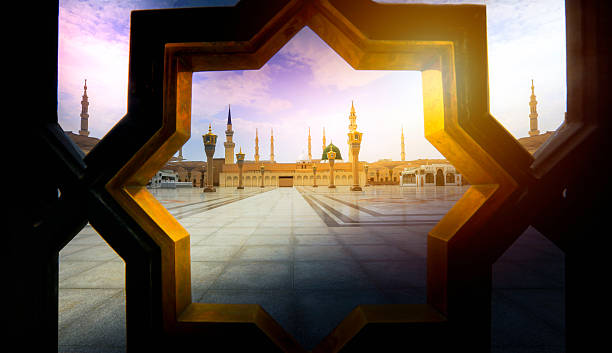
Islamic architecture is more than just beautiful buildings and intricate designs. It is a living reflection of faith, culture, and history. From the grandeur of the Great Mosque of Cordoba to the serene elegance of the Al-Masjid an-Nabawi, every dome, minaret, and arch tells a story of devotion, knowledge, and community.
Islamic architecture preserves not just stones and bricks but the values and worldview of a civilization.
Architecture as a Reflection of Faith
The Qur’an emphasizes beauty and harmony in creation:
“Indeed, Allah loves beauty.” Sahih Muslim
Islamic architecture mirrors this divine principle. Mosques, madrasas, and public buildings are designed to reflect balance, proportion, and order qualities that inspire spiritual reflection.
Key elements include:
- Domes Represent the heavens and the infinite nature of Allah
- Minarets Symbolize guidance and the call to prayer
- Mihrab Directs focus toward Mecca, reminding worshippers of purpose
- Courtyards and Gardens Spaces for reflection, community, and the beauty of creation
The design itself guides a believer to contemplate the divine, making architecture a spiritual tool.
Preserving Cultural Identity
Islamic architecture also safeguards culture. Muslim civilizations blended local traditions with Islamic principles, creating a unique, regional identity without compromising faith.
Examples:
- Alhambra in Spain Combines Arabic inscriptions with Andalusian art
- Sultan Ahmed Mosque in Istanbul Blends Byzantine and Ottoman design
- Badshahi Mosque in Lahore Represents Mughal grandeur and local craftsmanship
These buildings preserve stories of history, conquest, learning, and artistry. When people walk through them, they connect with centuries of Islamic thought and creativity.
Architecture as a Center of Knowledge
Islamic buildings weren’t just for prayer; they were hubs of learning and community:
- Madrasas Taught Qur’an, Fiqh, mathematics, and astronomy
- Libraries Preserved Greek, Persian, and Indian texts
- Courtyards Spaces for debate, discussion, and intellectual growth
For centuries, architecture allowed Muslim societies to preserve knowledge and pass it on, shaping the intellectual world.
Geometric Patterns, Calligraphy, and Symbolism
One striking feature of Islamic architecture is the absence of human figures. Instead, intricate geometric patterns, arabesques, and calligraphy adorn walls, domes, and arches.
- Calligraphy often features Qur’anic verses, constantly reminding visitors of Allah’s words
- Patterns represent infinity, unity, and the interconnectedness of creation
- Colors evoke peace, calm, and spiritual focus
These artistic choices are deeply symbolic and educational, teaching faith and values without words.
Sustainability and Harmony with Nature
Islamic architecture also reflects eco-conscious design principles, centuries before modern sustainability concepts. Features like:
- Courtyards for natural ventilation
- Water channels and fountains for cooling and reflection
- Use of local materials to blend with the environment
These designs harmonize human life with nature, reflecting the Islamic value of stewardship (khilafah) over the Earth.
Modern Relevance of Islamic Architecture
Today, architects and designers draw inspiration from Islamic traditions to:
- Create culturally relevant urban spaces
- Inspire modern mosques that reflect heritage
- Integrate spirituality into public and private buildings
Islamic architecture is a reminder that faith and culture can coexist beautifully, even in the modern world.
Final Reflection
Islamic architecture is more than aesthetic. It is:
- A reflection of faith
- A preserver of culture
- A hub of knowledge
- A guide for ethical and sustainable living
Every minaret, dome, and courtyard speaks to generations of Muslims: “Remember your Creator, honor your heritage, and build a life of balance and beauty.”
As Muslims, protecting and learning from these architectural masterpieces is a way to honor our past and inspire our future.
May Allah bless those who preserve this legacy, and may we continue to learn lessons of faith, culture, and harmony from every arch and dome.